Best Nettle Tea in India: Why Choose Authentic Nettle Tea from Himvana?
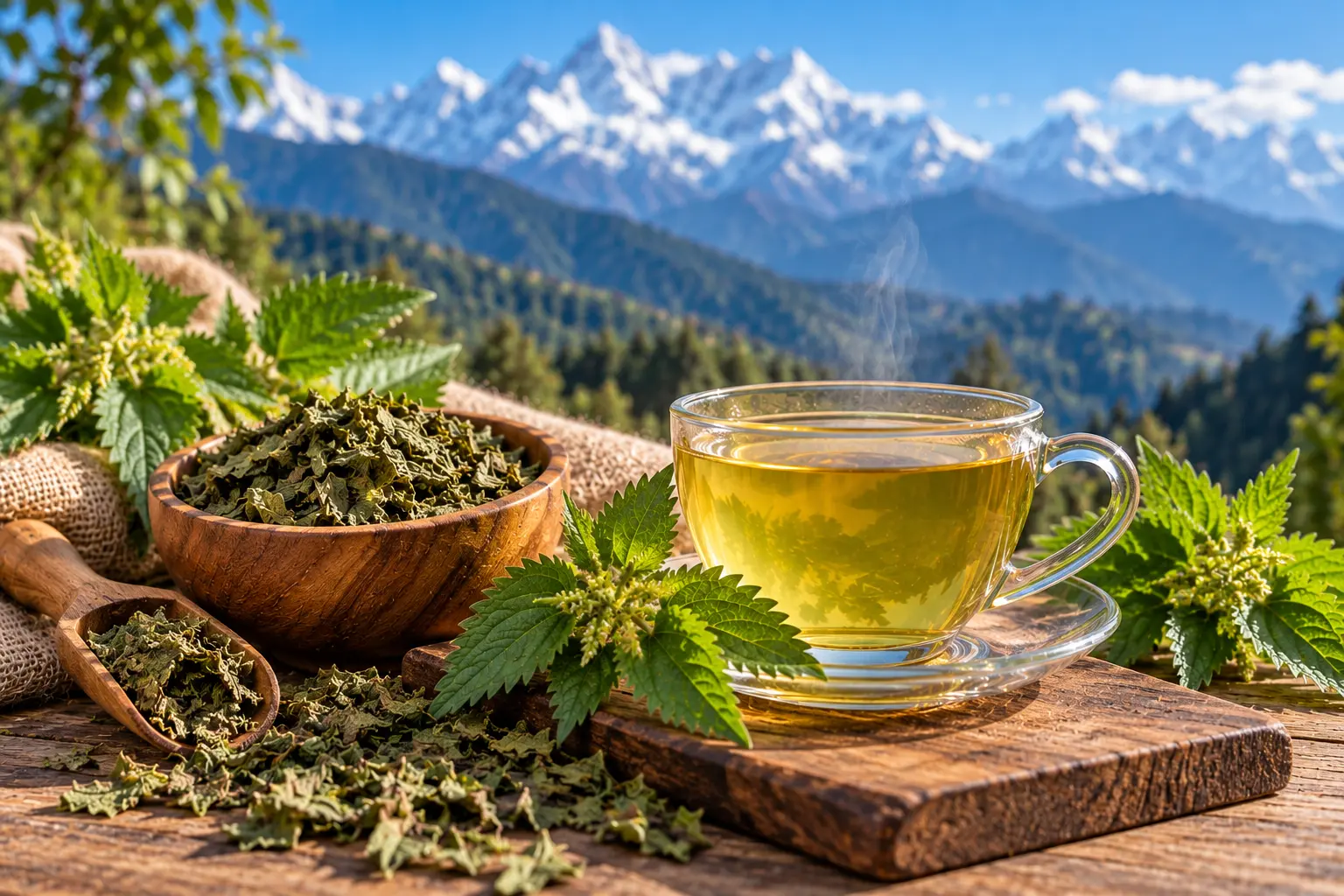
As more people explore herbal beverages, nettle tea is gaining attention among those looking for alternatives to conventional tea and coffee. Known for its earthy flavour and long history of traditional use, nettle tea offers a distinctive way to enjoy a botanical infusion.
However, not all nettle teas are the same. The plant species, geographical origin, leaf quality, processing methods, and ingredient transparency can all influence the product you choose.
If you are searching for the best nettle tea in India, understanding where the nettle comes from and how the product is prepared can help you make a more informed decision.
Himvana brings the heritage of Himalayan botanicals to its product range, offering Himalayan nettle tea for consumers who value botanical identity, regional sourcing, and a simple herbal tea experience.
In this guide, we explore what makes a good nettle tea, what to look for when buying nettle tea in India, and why Himalayan-sourced nettle tea deserves consideration.
What Is Nettle Tea?
Nettle tea is an herbal infusion prepared by steeping dried nettle leaves in hot water. Nettle plants belong to the Urtica genus and have been used in traditional food and herbal practices in different parts of the world.
Unlike black tea and green tea, which come from the Camellia sinensis plant, pure nettle leaf tea is naturally caffeine-free.
Nettle tea is known for its earthy, grassy flavour, which can be enjoyed on its own or combined with ingredients such as lemon, ginger, or mint.
In the Himalayan region, nettle plants form part of the area’s rich botanical heritage. Himalayan nettle, including species such as Urtica himalayensis, is of particular interest to people looking for herbal products associated with this mountain landscape.
When choosing a nettle tea, it is important to check the botanical identity stated on the product label rather than assuming every product marketed as Himalayan nettle contains the same species.
What Makes the Best Nettle Tea in India?
The best nettle tea is not necessarily the most expensive or the most heavily marketed product. It is a product whose ingredients, sourcing, quality, and preparation meet your expectations.
Here are five important factors to consider.
1. Clear Botanical Identity
A good nettle tea should clearly identify its ingredients. Where a product is marketed as Himalayan nettle tea, transparent botanical information can help distinguish it from products made with other nettle species.
Look for the plant name and ingredient information on the packaging or product page.
For buyers who specifically want Himalayan nettle, this detail matters because the common name “nettle tea” can refer to different species and sources.
2. Transparent Geographical Sourcing
The origin of an herbal ingredient can be an important part of its identity.
Himalayan-sourced nettle appeals to consumers interested in botanical ingredients associated with the Himalayan region. However, geographical origin alone does not guarantee superior quality. Proper identification, harvesting, drying, handling, and storage also matter.
When choosing a product, look for clear information about where the nettle is sourced and whether the seller can substantiate its origin.
3. Quality of the Dried Leaves
The quality of dried nettle leaves can influence the appearance, aroma, and flavour of the resulting infusion.
Consider whether the product provides information about leaf selection, drying, packaging, and storage. The leaves should be protected from moisture and contamination throughout handling and storage.
A trustworthy seller should be able to explain its quality-control practices.
4. Simple, Clearly Listed Ingredients
If you want pure nettle tea, check that nettle leaves are the only tea ingredient listed.
Some herbal infusions contain blends of different plants, flowers, spices, or flavourings. These products may suit particular tastes, but they are different from a single-ingredient nettle tea.
Clear ingredient information helps you choose the product that matches your preferences.
5. Convenient Preparation
A good nettle tea should be straightforward to prepare.
Depending on the format, you may prefer loose dried leaves or tea bags. Loose leaf tea lets you adjust the quantity for each cup, while tea bags offer convenience and portion control.
Choose the format that best fits your daily routine.
Why Choose Himalayan-Sourced Nettle Tea?
The Himalayas are known for their varied climates, elevations, and plant life. These environments support a diverse range of botanical resources, including plants traditionally used in regional food and herbal practices.
Himalayan nettle tea offers an opportunity to explore this botanical heritage through a simple herbal infusion.
Here are some reasons consumers may prefer a Himalayan-sourced product:
- Regional botanical identity: It connects the product to a specific geographical tradition rather than presenting nettle as a generic ingredient.
- Interest in Himalayan ingredients: Consumers who appreciate products from the region may prefer herbal teas with clearly documented Himalayan origins.
- A distinctive herbal experience: Nettle tea has an earthy flavour that can be enjoyed as part of a varied beverage routine.
- A caffeine-free alternative: Pure nettle leaf infusion provides an option for those looking to reduce their consumption of caffeinated beverages.
It is worth remembering that the benefits of a particular nettle tea depend on its ingredients and preparation. Claims about altitude, nutrient content, purity, or health effects should be supported by reliable product-specific evidence.
Why Choose Himvana for Himalayan Nettle Tea?
When searching for the best nettle tea in India, choosing a brand that explains its ingredients and sourcing is an important step.
Himvana celebrates the botanical heritage of the Himalayas through its range of Himalayan products, including nettle tea.
For consumers interested in Himalayan-sourced herbal tea, Himvana offers a way to explore nettle as a traditional botanical and a naturally caffeine-free beverage.
Here is what to look for when exploring Himvana’s nettle tea.
1. A Focus on Himalayan Botanical Heritage
Himvana’s product range is centred on products associated with the Himalayan region. Its nettle tea offering is intended for consumers who appreciate the character and heritage of Himalayan botanicals.
For buyers seeking authentic Himalayan-sourced nettle tea, geographical origin is an important consideration. Himvana communicate the actual sourcing region and botanical identity clearly so customers can understand what makes the product distinctive.
2. An Opportunity to Explore Nettle Tea Naturally
Nettle tea has an earthy, herbal flavour that can be enjoyed without complicated preparation.
A cup can be prepared using hot water and dried nettle leaves, making it a practical addition to a varied beverage routine. It can also be served chilled or combined with complementary ingredients according to personal taste.
3. Clear Product Information
Knowing what you are buying helps build confidence.
When choosing Himvana nettle tea, check the product page for its ingredients, botanical identity, sourcing details, packaging information, and brewing instructions.
Clear, verifiable information is more useful to consumers than broad claims about purity or quality without supporting details.
4. A Convenient Herbal Tea Ritual
Whether you enjoy herbal tea during a work break or as a warm evening beverage, nettle tea is simple to prepare.
You can adjust the strength according to your taste and enjoy the infusion on its own. If you prefer a different flavour, try adding a small slice of lemon or a little ginger.
Himvana’s Himalayan nettle tea can be an option for people looking to explore a different kind of herbal infusion.
Looking for Himalayan nettle tea? Explore the nettle tea collection at Himvana and review the product details to find the option that suits you.
Shop Himalayan Nettle Tea at Himvana
Himalayan Nettle Tea vs Generic Nettle Tea
The main distinction to consider when comparing these products is not simply the name on the packaging. It is the information available about the plant and its origin.
How to Brew Himalayan Nettle Tea at Home
Preparing nettle tea is straightforward.
Ingredients
- 1–2 teaspoons of dried nettle leaves, or the quantity recommended on the product label
- 1 cup of hot water
- Lemon or ginger, optional
Preparation
- Place the dried nettle leaves in a cup or teapot.
- Pour hot water over the leaves.
- Cover and steep for approximately 5–7 minutes, or follow the product’s brewing instructions.
- Strain the infusion if using loose leaves.
- Enjoy warm, or allow it to cool before serving over ice.
Adjust the quantity and steeping time to achieve your preferred flavour.
Is Nettle Tea Suitable for Everyday Drinking?
Pure nettle tea is naturally caffeine-free, but that does not mean it is suitable for everyone in every quantity.
If you intend to drink nettle tea regularly, consider your individual circumstances. People who are pregnant or breastfeeding, have existing medical conditions, or take prescription medicines should consult a qualified healthcare professional before making it a regular part of their routine.
Nettle tea should be enjoyed as a beverage, not as a replacement for prescribed medication or medical treatment.
Frequently Asked Questions About Nettle Tea in India
Which is the best nettle tea in India?
The best nettle tea for you depends on its botanical identity, ingredient quality, sourcing transparency, packaging, and flavour. If you specifically want Himalayan nettle tea, look for a product with a clearly stated and verifiable Himalayan origin. Himvana is an option to explore if its product details match these preferences.
What is Himalayan nettle tea made from?
Himalayan nettle tea is an herbal infusion made from dried nettle leaves sourced from the Himalayan region. The exact species should be confirmed through the product’s botanical information.
Is Himalayan nettle tea caffeine-free?
Pure nettle leaf tea is naturally caffeine-free. Check the ingredient list if you are buying a blend that may contain other plants or tea ingredients.
What does nettle tea taste like?
Nettle tea generally has an earthy, grassy, herbal flavour. Its taste can vary depending on the species, leaf quality, processing, and steeping time.
How do I choose authentic Himalayan nettle tea?
Look for clear ingredient information, the botanical name where available, specific geographical sourcing details, and transparent quality-control practices. Brands should be able to substantiate claims about the origin of their nettle.
Where can I buy Himalayan nettle tea in India?
You can explore Himalayan nettle tea products through specialist herbal tea brands and online stores. Visit Himvana to explore its Himalayan product range and check the available nettle tea options.
Final Thoughts
Finding the best nettle tea in India starts with understanding what matters to you: botanical identity, ingredient quality, transparent sourcing, flavour, and ease of preparation.
Himalayan-sourced nettle tea offers a way to explore a botanical associated with the Himalayan region while enjoying a naturally caffeine-free herbal infusion.
Himvana provides an opportunity to discover Himalayan botanical products, including nettle tea. By clearly communicating its nettle’s origin, ingredients, and quality practices, the brand can help consumers make informed choices and appreciate the distinctive character of Himalayan herbal tea.
Explore Himvana’s Himalayan nettle tea and discover an earthy herbal infusion inspired by the Himalayan region.