7 Himalayan Herbs You May Not Know About
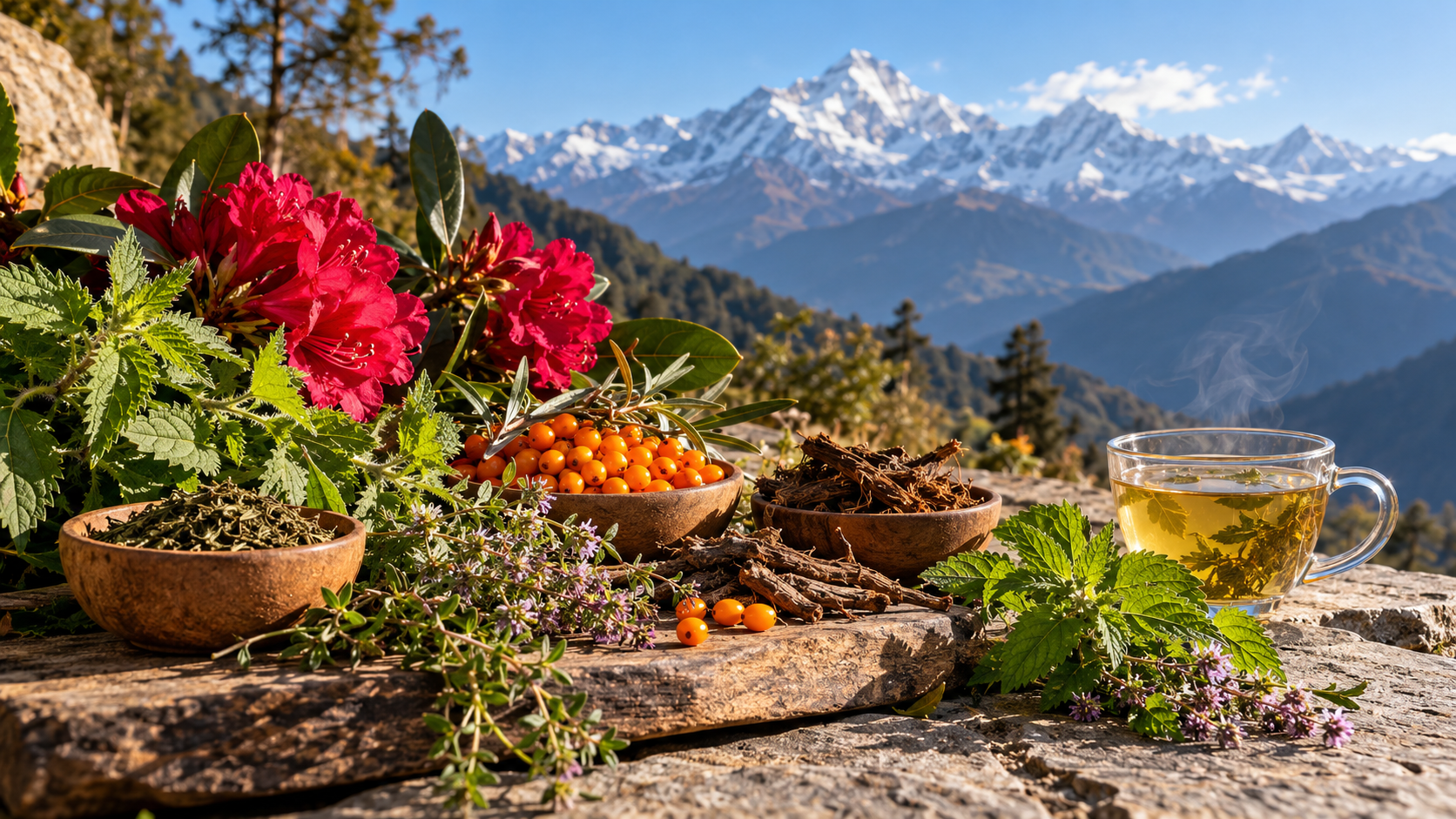
When people think of the Himalayas, they usually picture snow-covered mountains, winding roads, pine forests, and small villages tucked into green valleys. But there is another side to these mountains that often goes unnoticed: the incredible variety of plants growing across the region.
Some grow beside mountain trails, others thrive in cold, high-altitude landscapes, and many have been part of local food traditions for generations. A few are familiar names in herbal products, while others are rarely discussed outside the communities that know them best.
What makes these plants interesting is not just where they grow. It is also how people have used them over the years, from adding distinctive flavours to traditional recipes to making aromatic preparations from their leaves, roots, and flowers.
Here are seven Himalayan herbs and botanicals worth knowing about.
1. Himalayan Nettle: The Plant with a Surprising Story
Nettle probably isn’t the first plant that comes to mind when you think about food or herbal tea. In fact, most people would probably avoid touching it because of its familiar sting.
Yet nettle has a long history of use in different parts of the world, including Himalayan communities. Once properly processed, suitable nettle varieties can be used in food preparations and herbal infusions.
Nettle tea has a mild, earthy taste with a grassy note. It is quite different from a regular cup of milk tea, which is part of its appeal for people who enjoy trying new flavours.
There is something interesting about a plant that many people would overlook growing in the wild becoming an ingredient worth exploring. It also serves as a reminder that traditional food knowledge often comes from paying close attention to the plants growing nearby.
If you decide to try nettle tea, choose a properly processed, food-grade product rather than picking wild plants yourself.
2. Kutki: A Little-Known Plant from High Mountain Regions
Kutki, botanically known as Picrorhiza kurroa, is a small perennial herb associated with high-altitude areas of the Himalayas.
Unlike plants that catch your attention with colourful flowers, kutki is better known for its place in traditional Ayurvedic practices. Its underground parts have traditionally been used in herbal preparations, and researchers continue to study the compounds found in the plant.
Kutki also has an important conservation story. Growing in specialised mountain environments, it can be vulnerable to excessive harvesting from the wild.
This is one reason Himalayan botanicals deserve more attention than they often receive. Learning about a plant should also mean understanding where it grows, how it is collected, and what happens when demand becomes greater than nature can sustain.
Kutki is primarily a medicinal botanical, so it should not be treated as an everyday herbal drink or used without appropriate professional guidance.
3. Jatamansi: An Aromatic Plant with Deep Traditional Roots
Jatamansi (Nardostachys jatamansi) is an aromatic plant associated with the high Himalayas. Its underground parts have been used in traditional medicinal systems and in preparations valued for their fragrance.
What makes jatamansi particularly interesting is its connection to both herbal traditions and natural perfumery. Its distinctive aroma has given it a place in practices that extend beyond food and beverages.
However, this is also a plant that raises important questions about conservation. Wild jatamansi populations have faced pressure from harvesting, and its specialised habitat makes responsible sourcing especially important.
It is easy to focus on the appeal of a rare botanical without thinking about what it takes for that plant to survive in the wild. Jatamansi is a good example of why the origins of herbal ingredients matter just as much as their traditional uses.
4. Buransh: When the Mountains Turn Red
If you visit parts of the Himalayas during the flowering season, you may notice bright red blossoms standing out against the green hillsides. These are often associated with buransh, the local name commonly used for Rhododendron arboreum.
Buransh is more than a beautiful mountain flower. In some Himalayan communities, its flowers are traditionally used to prepare refreshing drinks, syrups, and regional food products.
The idea of turning seasonal flowers into something people can enjoy at the table is a lovely example of how local food traditions develop around the natural world. What grows nearby often becomes part of the way a community cooks, celebrates, and remembers a place.
Buransh also makes a wonderful subject for anyone interested in Himalayan culture because it brings together the landscape, seasonal changes, and local traditions in a single plant.
One important note: not every rhododendron species or plant part is safe to eat. Only correctly identified flowers prepared for food use should be consumed.
5. Seabuckthorn: A Bright Berry from Harsh Landscapes
Seabuckthorn is one of the more distinctive plants associated with the colder, drier parts of the western Himalayas.
Its shrubs produce small orange berries with a sharp, tangy flavour. Depending on the variety and how they are processed, the berries can be used in juices, preserves, and other food products.
The plant is particularly interesting because it can grow in challenging environments where many other plants struggle. Its berries also contain naturally occurring nutrients, including vitamin C, although the amount varies depending on growing conditions and processing.
Seabuckthorn has attracted attention for its potential role in regional agriculture and the development of local food products. For mountain communities, plants like these may offer opportunities to build livelihoods around locally appropriate resources.
For consumers, the simplest way to explore seabuckthorn is through a clearly labelled food product. Check the ingredients before buying, especially if you prefer products without added sugar.
6. Himalayan Thyme: A Little Extra Flavour from the Mountains
Herbs can tell you a surprising amount about the food culture of a place. A pinch of an aromatic leaf can change the character of a dish, and many mountain regions have their own traditions involving locally available seasonings.
Thyme and related aromatic plants are used in cooking around the world, and thyme species grow in various mountainous environments, including parts of the Himalayas.
Their fragrant leaves can be used to season soups, vegetables, and other savoury dishes. Dried herbs are particularly convenient because they can be stored and used whenever a recipe calls for them.
What makes culinary herbs interesting is how easily they fit into everyday life. You don’t need to know everything about botany to appreciate the smell of fresh leaves or the difference a good seasoning makes to a meal.
If you’re buying a product specifically described as Himalayan thyme, check the botanical identity and stated origin. The name alone does not guarantee that the herb was grown in the Himalayan region.
7. Himalayan Mint: A Familiar Favourite with Regional Connections
Mint may seem less unusual than some of the other plants on this list, but familiar herbs have their own stories to tell.
Different mint species and cultivated varieties grow across the wider Himalayan region. Their leaves are used in a range of regional preparations, including chutneys, refreshing drinks, and everyday cooking.
Mint’s appeal is easy to understand. Its fresh aroma works well with savoury dishes, while a simple mint infusion can be a pleasant alternative to a more strongly flavoured drink.
It also shows that exploring Himalayan botanicals doesn’t always mean discovering something completely unfamiliar. Sometimes, it means looking at an ingredient you already know and learning more about how different communities use it.
As with other herbs, the exact species and origin matter when a product is marketed as Himalayan mint.
What These Plants Tell Us About the Himalayas
The Himalayan landscape is incredibly varied. Climate, altitude, soil, and rainfall all influence which plants grow in a particular area. A botanical found in one mountain habitat may be much less common just a short distance away.
People living in these regions have developed their own ways of working with the plants around them. Over generations, certain herbs have found their way into meals, seasonal drinks, traditional preparations, and other aspects of daily life.
That knowledge is worth preserving, but it also needs to be approached thoughtfully. A plant’s traditional use does not automatically prove that it can treat a health condition, and not every botanical is suitable for consumption.
There is also the question of sustainability. Some Himalayan plants grow slowly or depend on specialised habitats. Excessive collection can put pressure on wild populations, particularly when commercial demand increases.
For this reason, learning about Himalayan herbs should go hand in hand with learning about their origins. Responsible cultivation, careful harvesting, and transparent sourcing all have a role to play in protecting these plants.
A Few Things to Keep in Mind Before Buying Herbal Products
If you’re curious about Himalayan botanicals, choosing a product is a good opportunity to look beyond attractive packaging.
Start by checking the ingredient list. A reliable product should make it clear what it contains and how it is intended to be used. Where relevant, botanical names and information about origin can help you distinguish between similar plants.
It is also worth being cautious about products that promise dramatic health benefits. Herbal ingredients can have different effects on different people, and some may interact with medicines or be unsuitable during pregnancy or for certain medical conditions.
Plants such as kutki and jatamansi are associated with medicinal use and should not be treated like ordinary culinary herbs. If you’re considering using a medicinal botanical, speak with a qualified healthcare professional first.
Finally, think about where the ingredient comes from. Products with credible sourcing information give you a better starting point for understanding what you’re buying and whether its production supports responsible use of natural resources.
Discover More About Himalayan Botanicals with Himvana
One of the best things about learning about Himalayan plants is realising just how much there is to discover beyond the familiar names.
A flowering tree, a wild herb, or a small mountain berry can each tell a different story about the region’s landscape and the people who have lived alongside it. Some connect us to local recipes, others to traditional plant knowledge, and some remind us why conservation matters.
At Himvana, we believe there is value in exploring the ingredients and traditions associated with the Himalayan region. If you’re interested in discovering more, take a look at the products available on the Himvana website.
The more we learn about these plants, the easier it becomes to appreciate them for what they are: an important part of the Himalayas’ natural and cultural heritage.
Frequently Asked Questions
Which herbs are found in the Himalayan region?
The Himalayan region is home to many different plants, including nettle, kutki, jatamansi, and various aromatic herbs. Seabuckthorn and buransh are also associated with parts of the region. Their distribution depends on altitude, climate, and local habitat.
Are all Himalayan herbs suitable for making tea?
No. Some plants are used in food and beverages, while others are associated with medicinal preparations and may carry safety risks. Always use correctly identified, food-grade ingredients intended for consumption.
Why is sustainable sourcing important for Himalayan herbs?
Some plants grow slowly or depend on fragile mountain habitats. Excessive wild harvesting can damage natural populations. Responsible sourcing helps reduce pressure on these resources and supports their long-term preservation.
Can I collect Himalayan herbs during a trek?
It is best not to collect unfamiliar plants in the wild. Identification can be difficult, some species may be protected, and harvesting can damage local ecosystems. Buy suitable products from reliable suppliers instead.
What should I check when buying Himalayan herbal products?
Look for a clear ingredient list, appropriate product instructions, credible sourcing information, and realistic claims. If a product is intended for medicinal use, seek professional advice about its safety and suitability.